
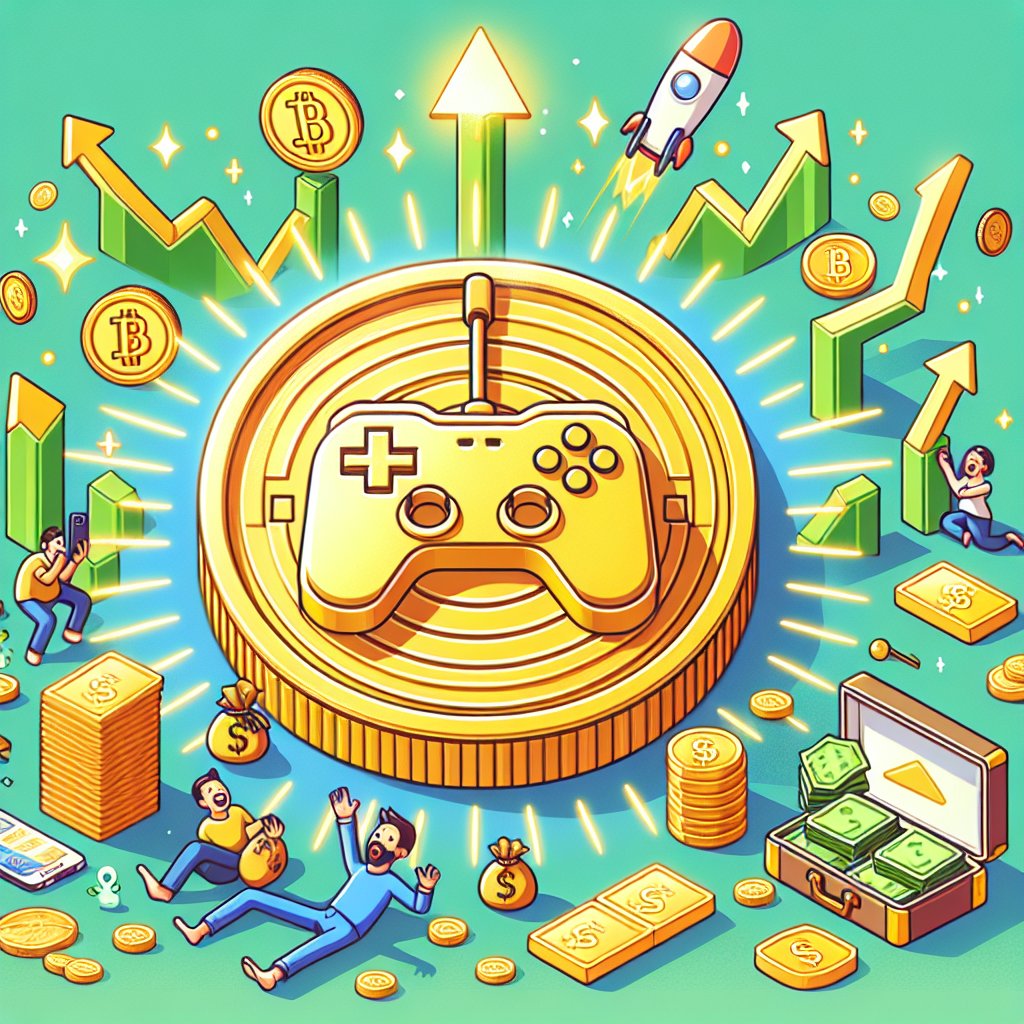
The world of Web3 gaming is experiencing a seismic shift, and investors are taking notice. A recent report highlighted a staggering 94% jump in funding for crypto gaming projects in July alone. But this isn’t just about more money flooding the space; it’s about where that money is going. The new darlings of the investment world are projects built on a simple yet revolutionary concept: making games that are fun to play first and foremost.
From ‘Play-to-Earn’ to ‘Play-and-Enjoy’
For years, the crypto gaming landscape was dominated by the “play-to-earn” (P2E) model. While innovative, this approach often prioritized earning potential over engaging gameplay. Many early titles felt more like a job than a game, leading to unsustainable economies built on speculation rather than genuine player enjoyment. The focus on financial incentives often resulted in a “grind-to-win” experience that failed to retain players once the economic rewards dwindled.
Today, the industry is maturing. Developers and investors alike recognize that long-term success isn’t built on speculative bubbles but on creating compelling experiences that players want to return to again and again. This has given rise to the “fun-first” philosophy, signaling a move from ‘play-to-earn’ to a more sustainable ‘play-and-enjoy’ model where blockchain elements enhance, rather than define, the game.
What Does ‘Fun-First’ Actually Mean?
At its core, a “fun-first” game is one that could stand on its own merits even without the blockchain components. It prioritizes everything that makes traditional games great: immersive storytelling, polished mechanics, stunning graphics, and a rewarding gameplay loop. The Web3 technology is then layered on top to add new dimensions of value for the player. Instead of being the central focus, the blockchain becomes a powerful backend tool that enables:
- True Digital Ownership: Players genuinely own their in-game items, characters, and cosmetics as NFTs, which they can trade, sell, or use in other compatible experiences.
- Player-Driven Economies: In-game economies can be more transparent and resilient, with players having a real stake in their success.
- Enhanced Player Agency: Blockchain can facilitate decentralized governance, allowing dedicated players to have a say in the game’s future development.
- Verifiable Scarcity: Digital assets can have provably limited supplies, creating real value for rare and powerful items.
Why Investors Are Betting Big
The massive 94% increase in funding during July is a clear vote of confidence in this new direction. Investors see that the “fun-first” approach has the potential to bridge the gap between the niche crypto community and the massive global audience of traditional gamers. A game that is inherently enjoyable can attract millions of players who may not even be familiar with cryptocurrencies, onboarding them into the Web3 ecosystem organically.
This strategy promises more than just a quick return; it points toward building sustainable, long-term franchises with loyal communities. By focusing on creating value through entertainment, these projects are more likely to achieve mainstream adoption and generate consistent revenue, making them a much more attractive and less volatile investment.
The Future is Bright (and Fun)
This pivot towards quality is just the beginning. We can expect to see more projects with AAA-level production values and a deep commitment to the player experience emerge in the coming months. The lines between “Web3 games” and “games” will continue to blur, as blockchain integration becomes a seamless feature that empowers players rather than a complex barrier to entry.
The recent surge in investment is a powerful indicator that the crypto gaming industry has learned from its early experiments. By putting fun back at the center of the experience, developers are not just building better games—they’re building the future of interactive entertainment. For gamers and investors alike, the message is clear: the most exciting chapter for Web3 gaming has just begun.