
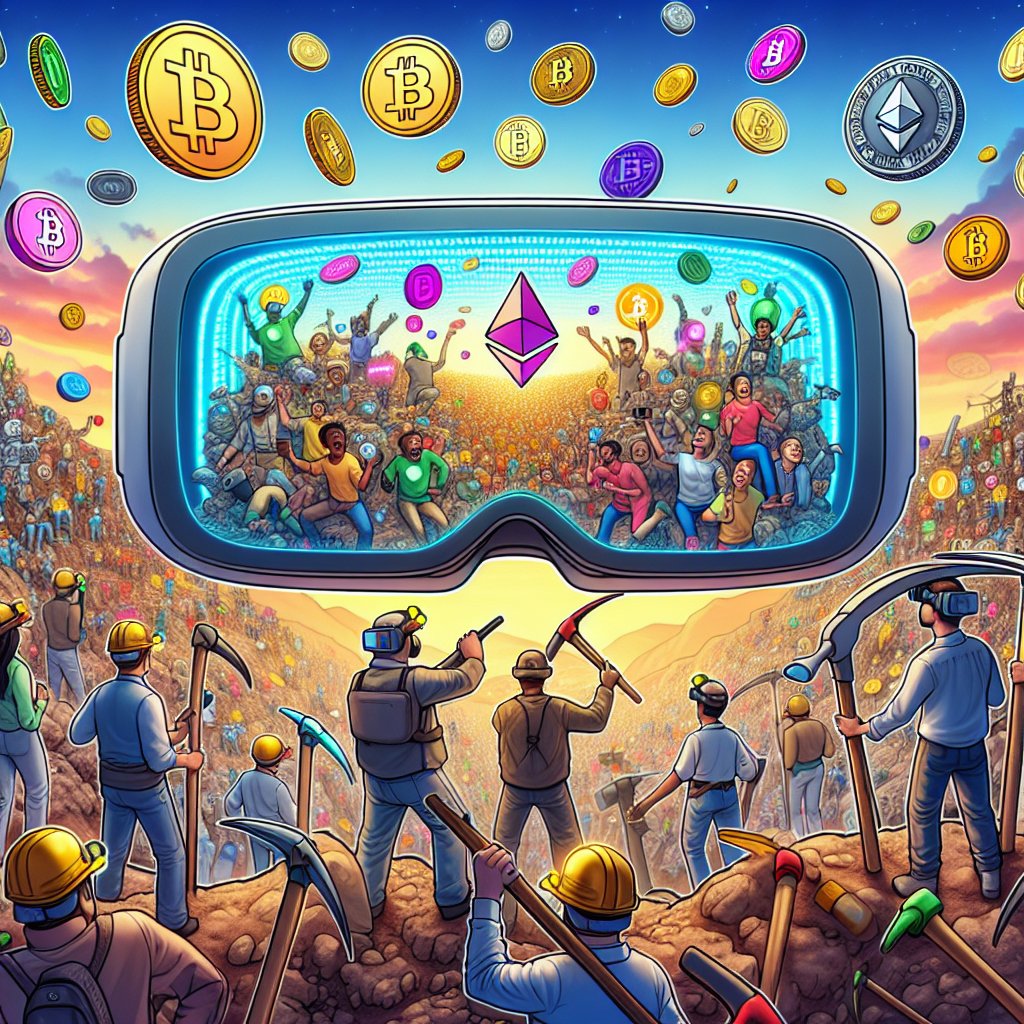
The world of crypto gaming is undergoing a significant transformation. While early iterations were dominated by a “play-to-earn” ethos, a new trend is capturing the attention and, more importantly, the capital of investors. A recent report highlighted a staggering 94% jump in funding for crypto gaming projects in July, with a clear preference for games that prioritize one simple thing: fun.
The Evolution from “Play-to-Earn” to “Play-and-Own”
For a long time, the promise of Web3 gaming was tied almost exclusively to the concept of “Play-to-Earn” (P2E). The idea was revolutionary: players could earn real-world value for their time in-game. However, the execution often fell short. Many P2E games felt more like a job than a pastime, with repetitive tasks and economic models that were often unsustainable. The focus was on the “earn” part, not the “play.”
Enter the “fun-first” philosophy. Developers and investors are now realizing that for a game to have long-term success, it must be genuinely enjoyable. This new model focuses on creating compelling gameplay, rich narratives, and engaging mechanics first. The blockchain elements—like NFTs for true asset ownership or tokens for in-game economies—are then integrated to enhance the experience, not define it. The goal is to build a loyal community that plays because they love the game, with the earning potential being a welcome bonus.
What’s Driving the Investment Boom?
So, why the sudden and massive influx of cash into “fun-first” projects? Investors are recognizing several key advantages to this approach:
- Sustainability: Games that are fun to play have much higher player retention rates. A stable and engaged player base is crucial for a healthy, long-term in-game economy.
- Mainstream Appeal: The “grind-to-earn” model alienated many traditional gamers. By focusing on quality and enjoyment, these new titles have a much better chance of attracting a wider audience from outside the existing crypto space.
- Mature Economic Models: With gameplay at the core, developers can design more robust and less volatile economic systems. Value is derived from the utility and desirability of in-game assets, not just speculative trading.
- Developer Talent: Top-tier game developers are more attracted to projects where they can flex their creative muscles and build a fantastic game, rather than just a financial product.
A Glimpse into the Future of Gaming
This 94% funding increase isn’t just a random spike; it’s a powerful signal indicating where the industry is headed. We can expect to see Web3 games that rival the quality and polish of AAA titles. Blockchain technology will become more of a background feature—a seamless part of the experience that empowers players with true ownership of their digital assets, rather than a barrier to entry. The narrative is shifting from “earn crypto by playing” to “play an amazing game that happens to use crypto.”
The Takeaway
The crypto gaming sector is growing up. The speculative frenzy of early P2E models is giving way to a more sustainable, player-centric approach. As investors pour capital into projects that prioritize engaging and enjoyable experiences, one thing is clear: the future of Web3 gaming will be built on great games, not just great tokenomics. It’s an exciting time for players and developers alike.