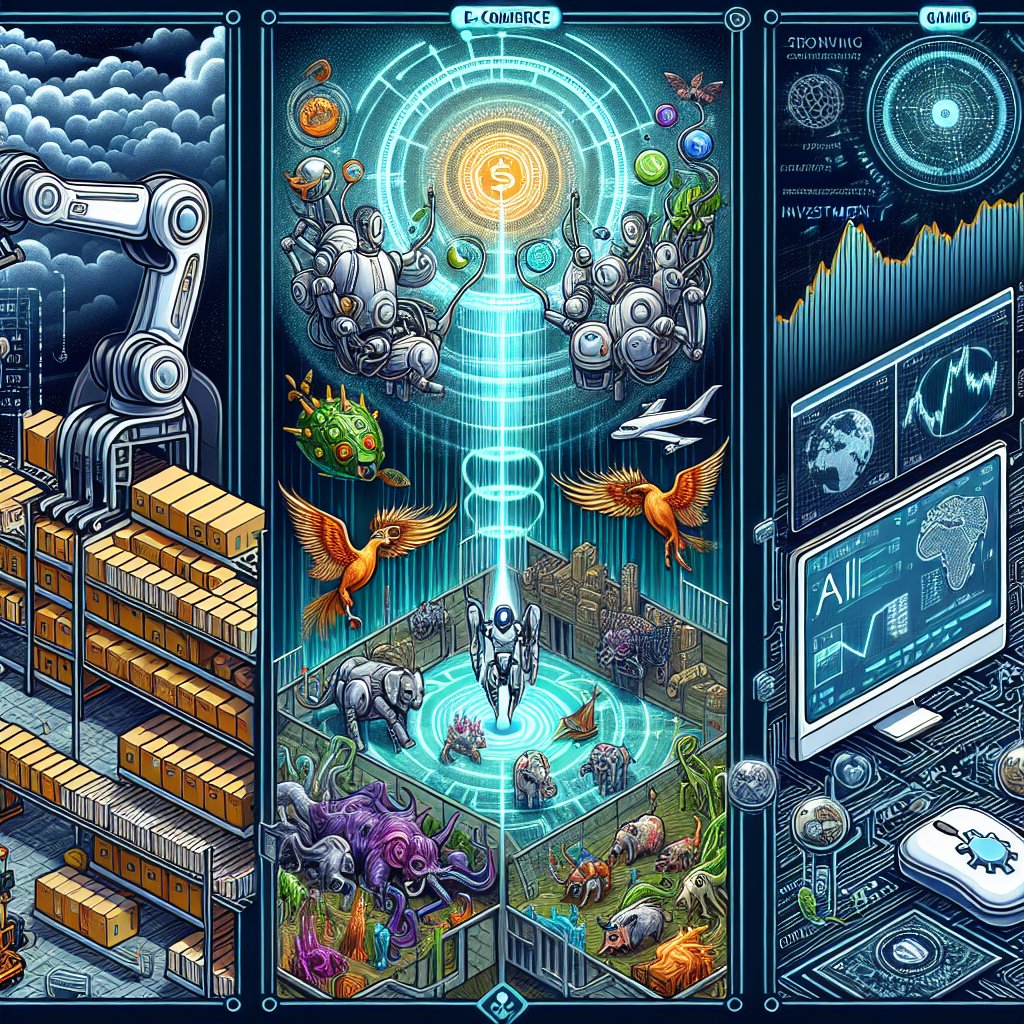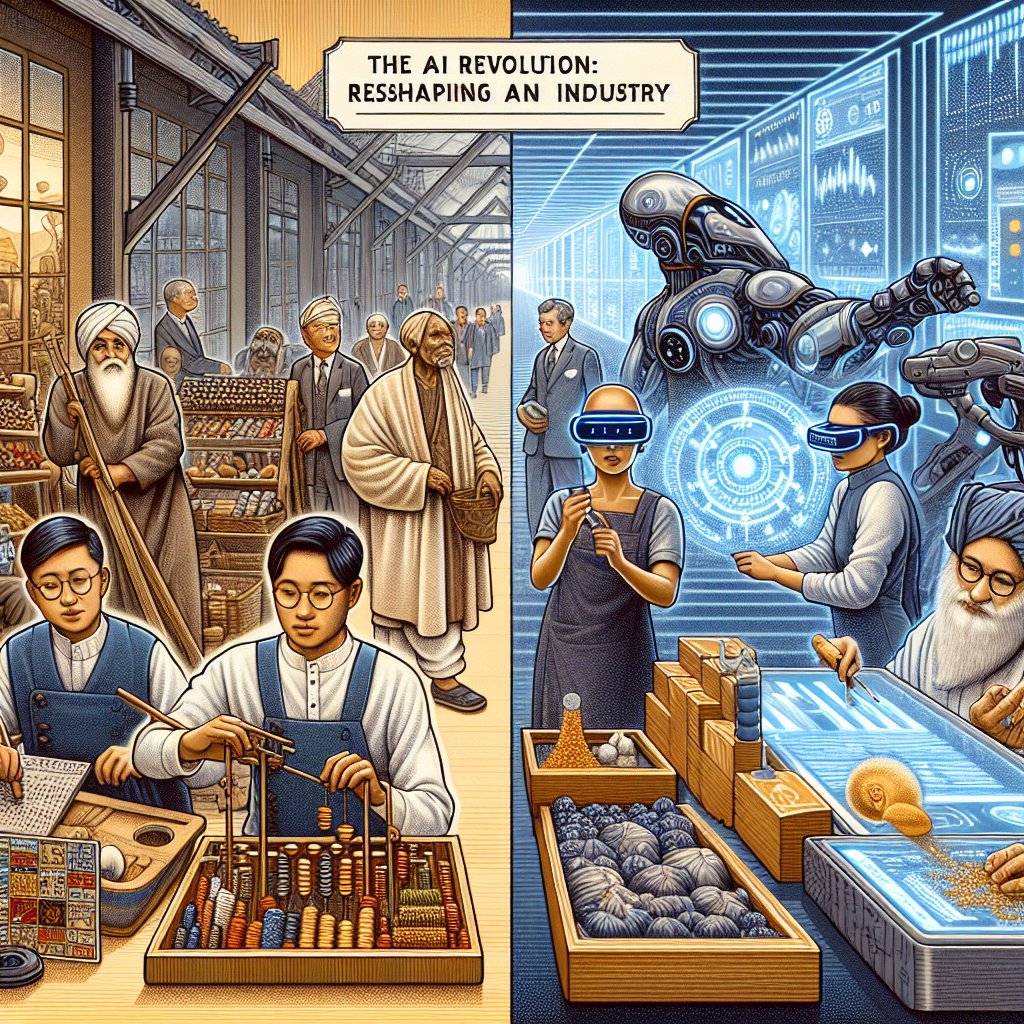

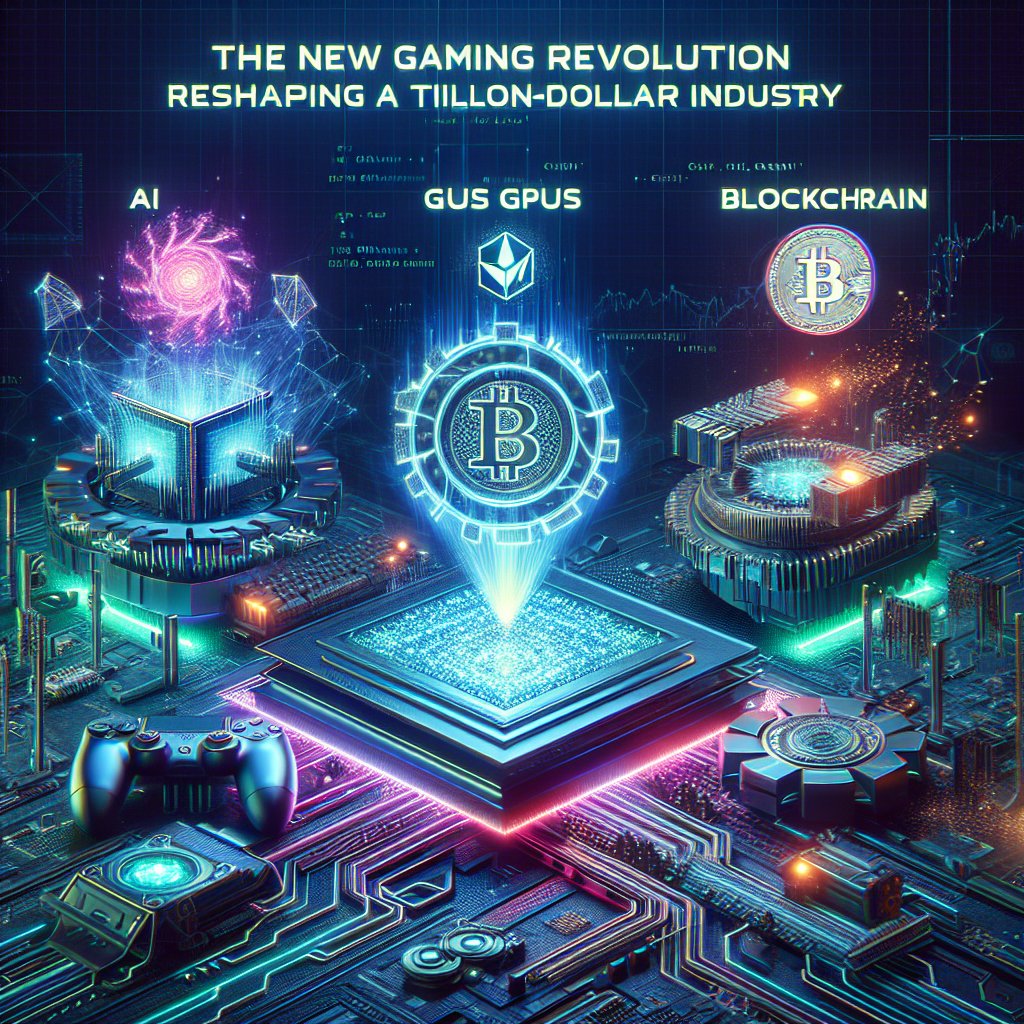
The world of gaming is undergoing a seismic shift, driven by a powerful convergence of technologies. This isn’t just about better graphics; it’s a fundamental reshaping of how games are created, played, and even owned. Three key forces are at the heart of this revolution: the incredible evolution of hardware, the rise of artificial intelligence as a creative partner, and the new economic possibilities unlocked by Web3 technology.
From Arcade Chips to AI Titans: The GPU’s Legacy
It’s hard to believe that the engine of our modern digital world has its roots in 1979’s arcade machines. The Graphics Processing Unit, or GPU, began its life rendering the simple pixels of classic games. Over the decades, it evolved into the powerhouse responsible for the breathtaking, photorealistic worlds we see in today’s blockbuster titles.
But the GPU’s journey didn’t stop there. Its massive parallel processing capabilities, perfected for gaming, turned out to be ideal for other complex tasks. Today, the GPU is the undisputed backbone of a $1 trillion revolution, fueling everything from cryptocurrency mining to the demanding calculations required for machine intelligence and AI. A technology built for entertainment has become essential to the future of technology itself.
AI: The Ultimate Co-Developer
For years, AI in gaming meant smarter enemies or more realistic non-player characters. Now, AI is stepping out of the game and into the developer’s toolkit. The most stunning example is the rise of the AI-empowered creator. In a story that would have been science fiction just a few years ago, a solo developer is now leveraging AI to build an entire AAA-quality game universe, a feat once reserved for studios with hundreds of employees and multi-million dollar budgets.
This marks a profound democratization of game development. AI tools can now assist with or entirely generate complex assets, from character design and environmental art to quest narratives and even code. This empowers small teams and individual creators to bring massive, ambitious visions to life, challenging the industry’s status quo.
The Blockchain Bridge: Investing in a New Player Economy
As creation becomes more accessible, the very nature of in-game ownership is also being redefined. Developers are increasingly focused on bridging the gap between traditional and Web3 gaming, creating persistent worlds where players have a real stake. This isn’t just a niche trend; it’s attracting serious financial backing. As a clear sign of this investor confidence, the blockchain-based game “The Lost Glitches” recently raised $1 million in funding.
These new types of games are being built on a foundation of decentralized principles that promise to give more power to the player. Key features often include:
- True Player Ownership: In-game items, characters, and land are owned by the player as unique digital assets (NFTs), which can be traded or sold freely.
- Player-Driven Economies: Decentralized systems that allow players to earn real-world value through their in-game activities.
- Transparency and Security: Using the blockchain to provide a secure and transparent record of ownership and transactions.
This model transforms players from simple consumers into active participants and stakeholders in the game’s economy and future.
A Converging Revolution
These powerful trends are not happening in isolation. They are weaving together to create a new paradigm for interactive entertainment. The GPU provides the raw power for stunning visuals and complex computations. AI provides the creative and development leverage to build vast worlds at an unprecedented scale. And blockchain provides the economic framework for a new era of player ownership.
The future of gaming looks to be more immersive, creatively boundless, and economically empowering than ever before. From the humble arcade chip to vast, AI-generated universes owned by their players, the gaming revolution is accelerating, and it’s just getting started.