
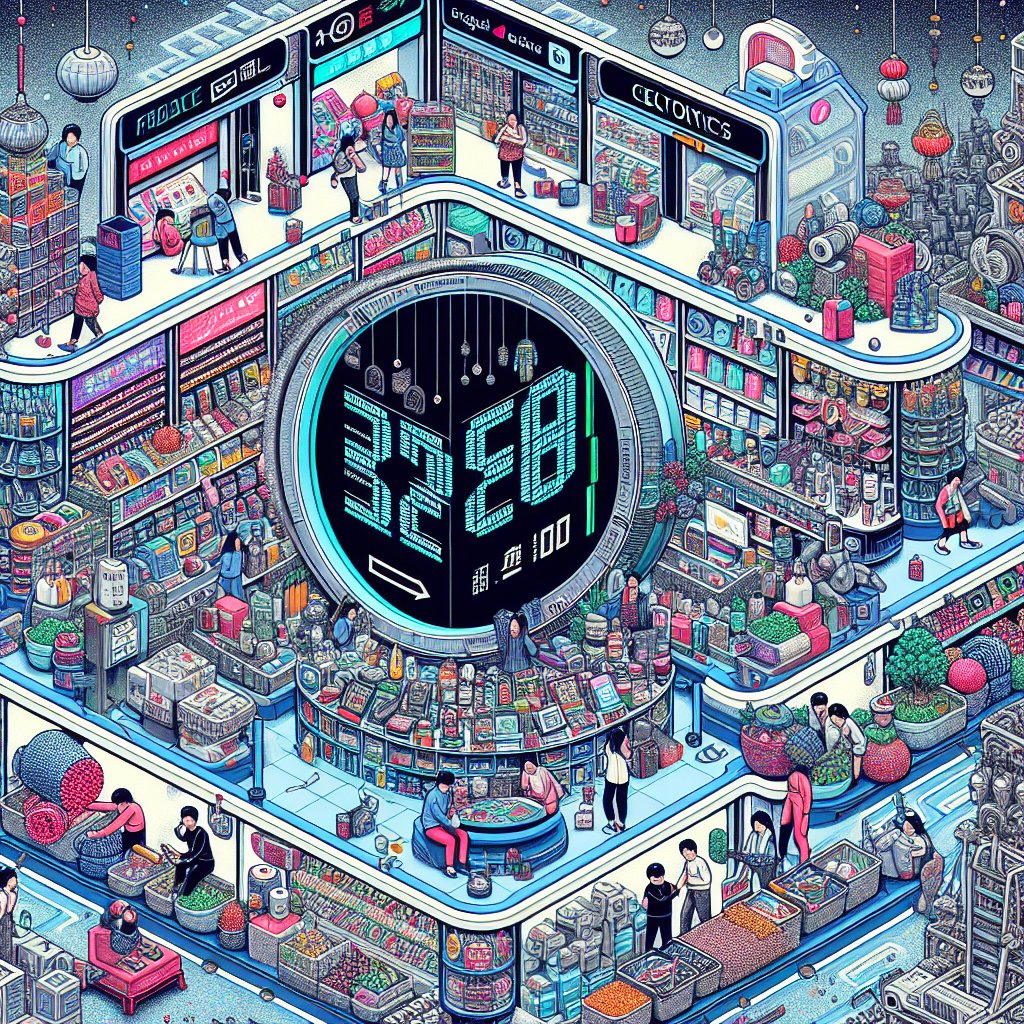
For a while, it seemed like a dream for Chinese consumers. Groceries, electronics, and daily necessities delivered to your doorstep in under an hour, often at a steep discount. This is the world of “Instant Commerce,” a rapidly growing sector where speed is everything. However, the fierce price war waged by the industry’s titans to capture market share appears to be coming to a truce, signaling a major shift in the battle for convenience.
The High Cost of Hyper-Growth
To win over customers, major players in China’s tech scene have been locked in a costly battle. They poured billions into subsidies, offering deep discounts, coupons, and free delivery to make their services irresistible. While this strategy successfully attracted a massive user base, it came at a tremendous cost. This model of growth-at-all-costs was financially unsustainable, with companies burning through cash in a race to the bottom.
A Strategic Pivot to Profitability
The recent cooling of this price war indicates a significant change in strategy. Instead of focusing solely on user acquisition, these companies are now prioritizing a clear path to profitability. This move is likely driven by investor pressure and a realization that a business can’t survive on subsidies forever. This strategic pivot means we can expect to see several changes:
- A reduction in heavy discounts and user subsidies.
- A greater focus on improving operational and logistical efficiency.
- An effort to improve the “unit economics” of each order, ensuring each delivery is profitable.
- The potential introduction of more realistic delivery fees or higher minimum order values.
What Does This Mean for Consumers?
For shoppers who have grown accustomed to rock-bottom prices, this truce might mean the end of an era. The days of deeply subsidized, ultra-cheap instant delivery may be numbered. You might notice fewer coupons in your app and slightly higher costs for the convenience of 30-minute delivery.
However, there’s a silver lining. As companies shift their focus from price to performance, customers may experience more reliable and higher-quality service. The race is no longer just about being the cheapest, but about building the most efficient and dependable delivery network. This maturation of the market signals a move towards a more stable and sustainable future for one of the most exciting sectors in modern e-commerce.