
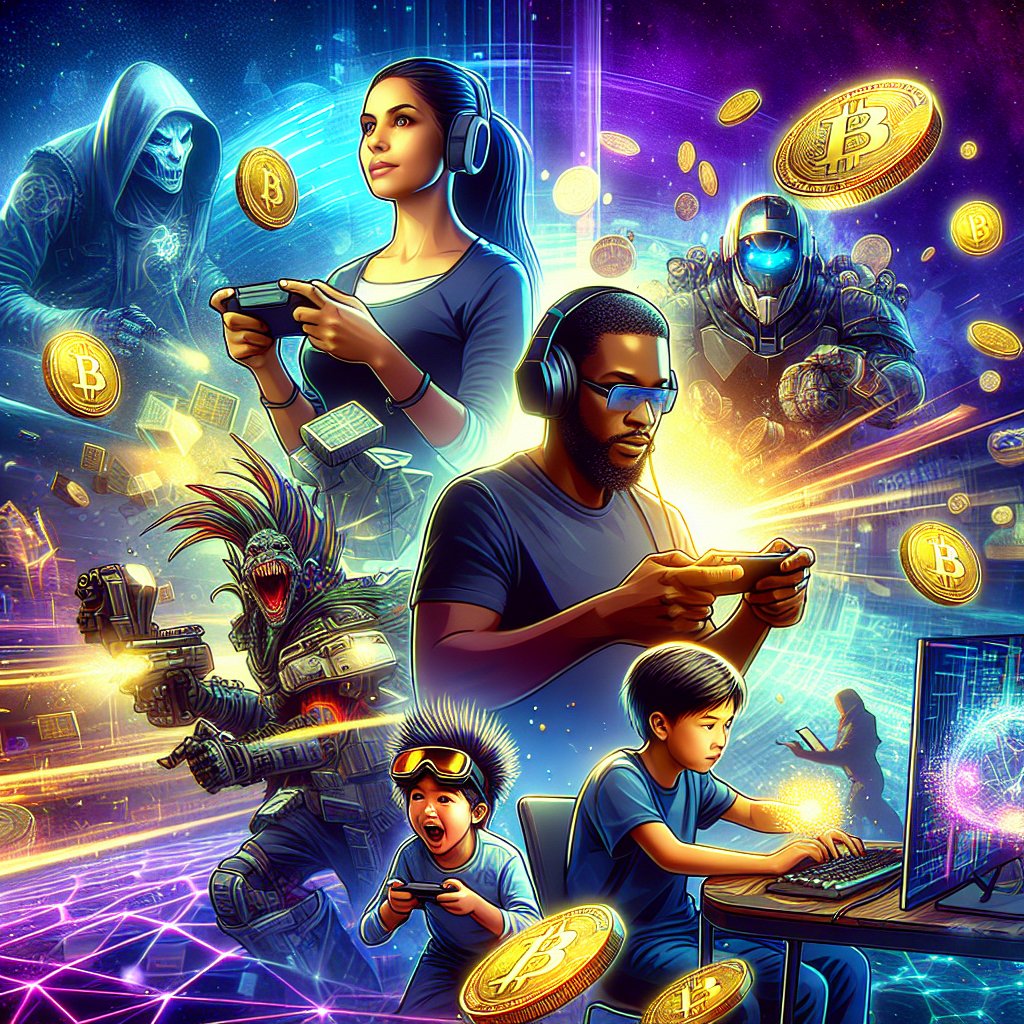
The digital frontier where gaming meets finance is more active than ever. We’re talking about crypto gaming, a revolutionary space where players can truly own their in-game assets as NFTs and often earn cryptocurrency just by playing. The industry is rapidly evolving from simple click-to-earn models to deep, immersive experiences. Let’s dive into the latest news and trends shaking up the world of Web3 gaming.
Axie Infinity Evolves Beyond Play-to-Earn
The game that brought Play-to-Earn (P2E) to the masses, Axie Infinity, has been hard at work reinventing itself. Facing challenges with its economic model, the team has shifted focus with Axie Infinity: Origins. This new version emphasizes skill-based, strategic gameplay and is much more accessible to newcomers. The key change is the move towards a “Play-and-Own” philosophy. The goal is no longer just to earn, but to create a fun and competitive game that players want to engage with, where ownership is a powerful bonus, not the sole incentive.
AAA-Quality Games Are on the Horizon
The next generation of crypto games is here, and they look stunning. The narrative that blockchain games can’t compete with traditional titles on graphics and gameplay is fading fast. Keep an eye on these two behemoths:
- Illuvium: An open-world RPG and creature-collector built on Unreal Engine 5, Illuvium has been wowing audiences with its breathtaking visuals and complex gameplay during its private beta phases. Its upcoming land sale and promise of an interconnected gaming universe make it one of the most anticipated releases.
- Star Atlas: This is an ambitious grand strategy space MMO also being built on Unreal Engine 5. With a complex in-game economy, political factions, and cinematic-quality ships, Star Atlas aims to create a persistent metaverse that will be developed over the next decade.
Key Trends Shaping the Future of GameFi
Beyond individual titles, several key trends are defining the direction of the entire crypto gaming industry. These are the developments to watch:
- Focus on Fun: The most important shift is the move from “Play-to-Earn” to “Play-and-Earn”. Developers now understand that a sustainable game must be enjoyable first and foremost. The financial incentives should complement a great gaming experience, not replace it.
- Interoperability: The holy grail of Web3 gaming is the ability to use your assets—your character, your skin, your sword—across different games and metaverses. While we are still in the early days, projects are being built with this interconnected future in mind.
- Mainstream Onboarding: Getting started in crypto gaming used to be a complicated process involving multiple wallets and exchanges. Now, many games are integrating simpler wallet solutions and using Layer-2 blockchains to reduce or eliminate gas fees, making it easier than ever for the average gamer to jump in.
What to Watch For Next
The crypto gaming space remains volatile and exciting. Beyond the games mentioned, metaverse platforms like The Sandbox and Decentraland continue to attract major brands and host virtual events, blending gaming with social experiences. The innovation is relentless, and the focus on quality and player experience is a sign of a maturing industry. The lines are blurring, and the future of gaming is looking more decentralized, player-owned, and incredibly fun.