

Artificial Intelligence (AI) has moved from the realm of science fiction into our daily reality, and its impact on the business world is nothing short of revolutionary. Across the globe, industries are being reshaped by AI’s ability to process vast amounts of data, automate complex tasks, and create new efficiencies. This post explores how AI is currently a game-changer in several key sectors, from media and e-commerce to finance and gaming.
A Wave of Change Across Major Sectors
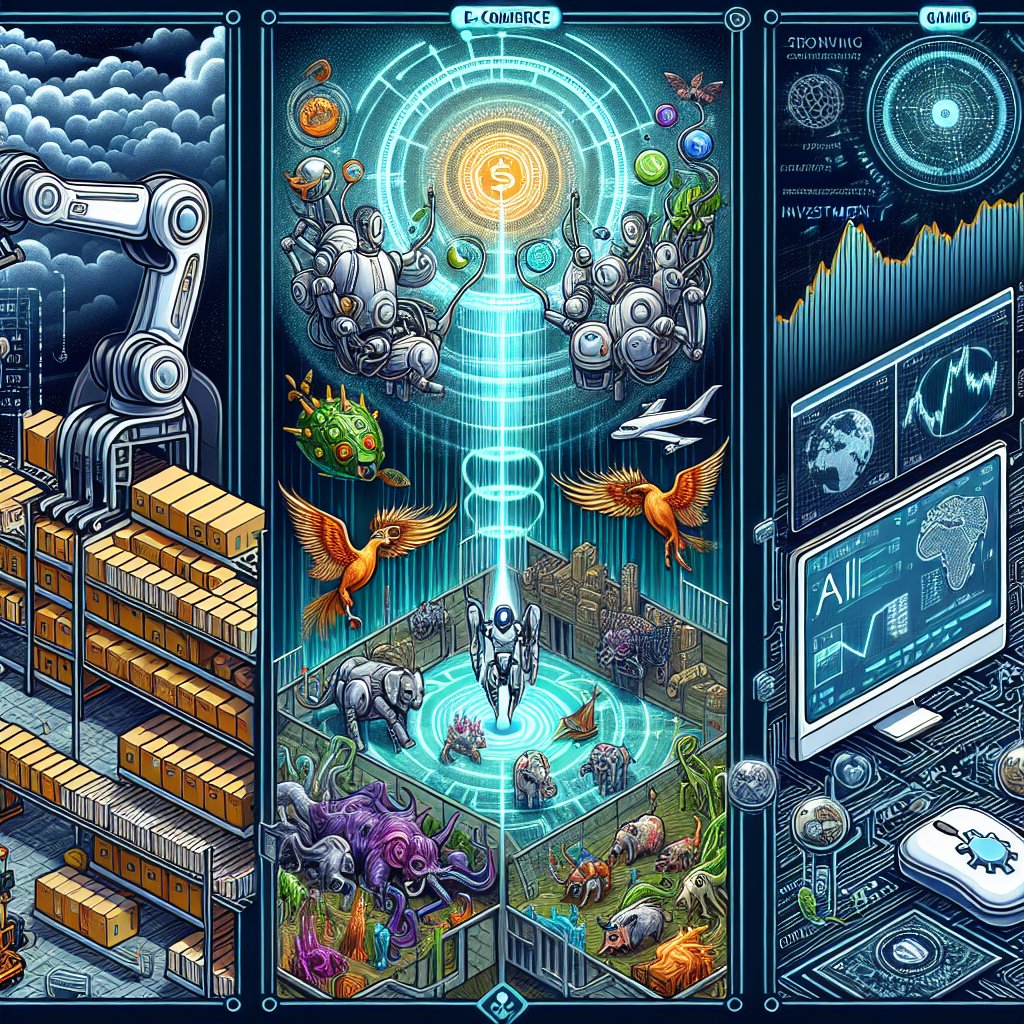
The influence of AI is not limited to one or two niche areas; it’s a broad-based technological shift impacting the very foundation of major industries. Companies are leveraging AI to gain a competitive edge, enhance customer experiences, and streamline operations. Some of the most affected sectors include:
- E-commerce and Retail: Personalizing shopping and simplifying content creation.
- Media and Advertising: Creating hyper-targeted campaigns and new revenue streams.
- Gaming: Developing more immersive experiences and driving engagement.
- Fintech: Automating financial services and increasing security.
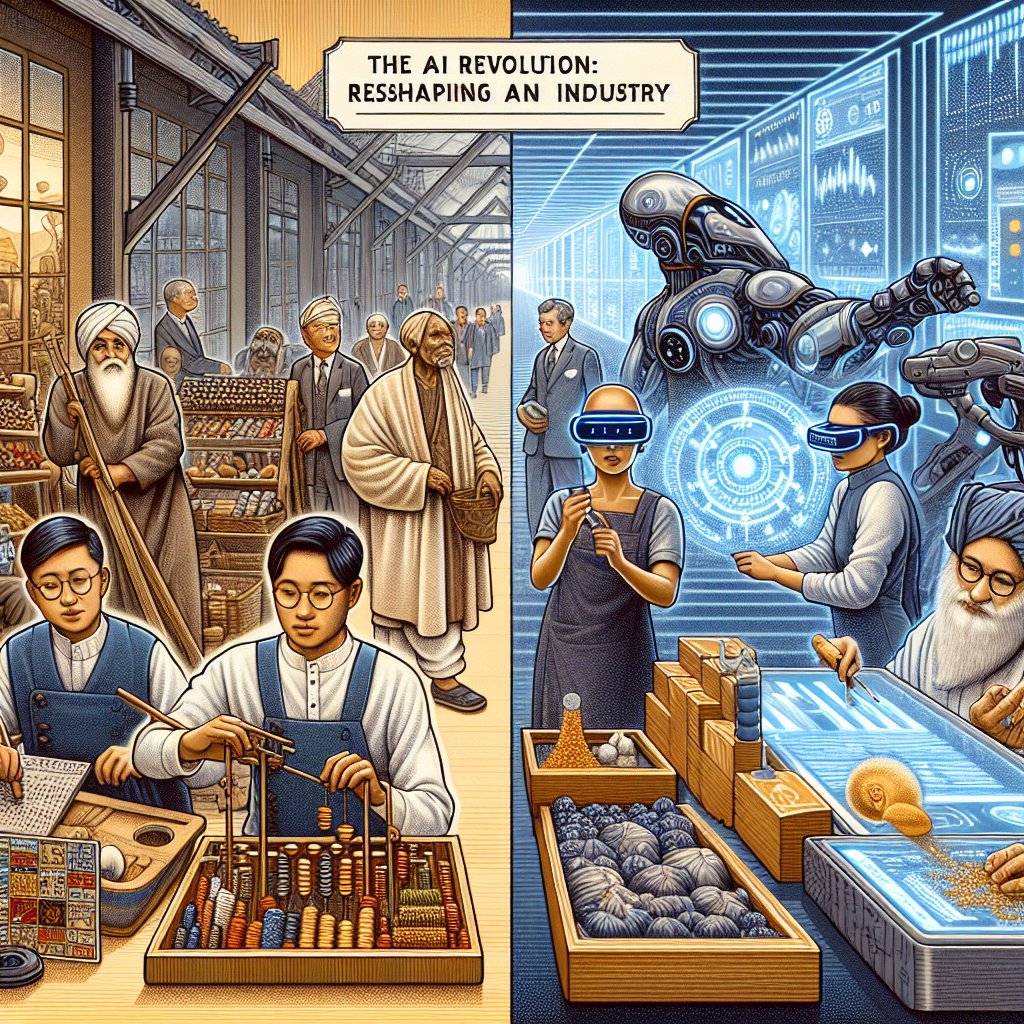
This widespread adoption signals a fundamental change in how businesses operate and create value in the modern economy.
Source: Original Article
E-Commerce and Retail: Reshaping How We Shop
The world of e-commerce has long been a breeding ground for technological innovation, and AI is its latest supercharger. Cities like Hangzhou have transformed from e-commerce hubs into global tech powerhouses by leveraging technologies like AI to optimize logistics, supply chains, and customer personalization on a massive scale. This macro-level innovation shows how AI can build entirely new economic ecosystems.
Source: Original Article
But AI’s impact is also incredibly personal and accessible. For individual creators and small businesses, such as sellers on Etsy, AI is a true game-changer. A perfect example is AI-driven product photography. This technology allows sellers to create stunning, professional-quality product images without the need for expensive equipment or studios. By simply uploading a photo, AI can generate a variety of high-quality backgrounds and scenes, leveling the playing field and empowering small entrepreneurs to compete with larger brands.
Source: Original Article
Media and Gaming: Crafting the Future of Entertainment
The entertainment and media landscape is another fertile ground for AI innovation. Major players like Foxtel and DAZN are setting new benchmarks by integrating AI into their strategies for advertising and retail media. By harnessing AI, they can better understand audience behavior, deliver highly personalized content, and create more effective advertising campaigns, opening up entirely new revenue streams that go beyond traditional subscriptions. This trend extends powerfully into the world of gaming, which has become a central pillar of modern entertainment, using AI to create more intelligent and dynamic experiences for players.
Source: Original Article
The Financial Fuel: Investment Pours into AI and Fintech
The transformative potential of AI is not just a theoretical concept; it’s being validated by a surge of investment across the globe. Startups in the Middle East and North Africa (MENA) region, for example, are experiencing a boom in fresh capital, with investors keenly focused on high-growth sectors like fintech, AI, and gaming.
This flow of capital highlights strong investor confidence in the long-term value of AI-driven businesses. Fintech, in particular, benefits immensely from AI for tasks like fraud detection, algorithmic trading, and personalized financial advice. The fact that AI and gaming are often funded alongside fintech demonstrates how interconnected these innovative fields have become in the eyes of the global investment community.
Source: Original Article
The Takeaway: AI is Here to Stay
From revolutionizing product photography for small online sellers to shaping the advertising strategies of media giants and fueling investment booms in emerging markets, Artificial Intelligence is undeniably a driving force of modern innovation. It’s not a future trend; it’s the current reality. The industries that successfully integrate AI into their core operations are not just changing the game—they are defining the future of business itself.