
In the world of technology, few names have generated as much buzz recently as Sam Altman. As the CEO of OpenAI, the company behind the revolutionary ChatGPT, Altman has become the public face of the artificial intelligence boom. But his journey and the recent turmoil at his company offer a revealing look into the concentration of power in Silicon Valley and the monumental stakes of the AI revolution.
A Visionary or a Power Broker?
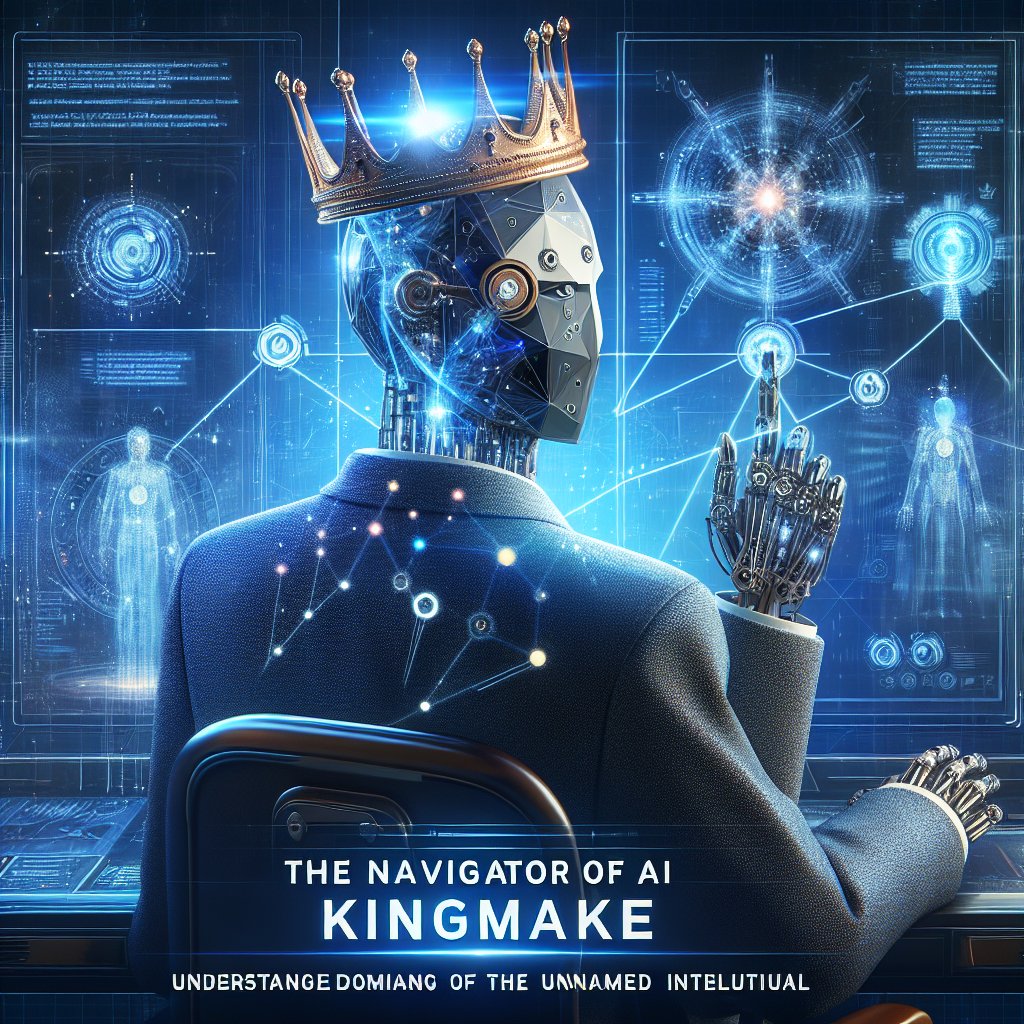
Sam Altman is not a newcomer who coded a brilliant tool in his garage. He has been a central figure in Silicon Valley for years, most notably as the former president of Y Combinator, the legendary startup accelerator that helped launch companies like Airbnb, Dropbox, and Reddit. This role cemented his reputation as a “kingmaker”—a shrewd investor and power broker with deep connections and an eye for transformative ideas.
His ambition extends far beyond successful startups. Altman’s stated goal is to achieve Artificial General Intelligence (AGI), a form of AI that could outperform humans at most economically valuable work. He presents this pursuit in almost philosophical terms, framing AGI as a tool that could cure diseases, solve climate change, and elevate humanity. This grand vision was central to OpenAI’s founding as a non-profit dedicated to ensuring AGI benefits all.
The Drama That Exposed the Cracks
The original non-profit structure of OpenAI proved challenging for raising the immense capital needed for AI research. This led to the creation of a “capped-profit” subsidiary, which attracted a multi-billion dollar investment from Microsoft. This hybrid model created an inherent tension between the mission of safe, responsible AI and the commercial pressures to innovate and dominate the market.
This tension erupted publicly in late 2023 when OpenAI’s board abruptly fired Altman. The move, intended to safeguard the company’s original mission, backfired spectacularly. What followed was a masterclass in modern power dynamics:
- Nearly all of OpenAI’s employees threatened to quit in solidarity with Altman.
- Key investors, including Microsoft, applied immense pressure for his return.
- Within days, the board relented, and Altman was reinstated as CEO with a new board in place.
The episode demonstrated that despite the lofty mission statements, power in this new era of AI resides not with a cautious board, but with the visionary leader and the capital that backs him. It was a clear victory for rapid innovation and commercial momentum over a more cautious, safety-oriented approach.
Who Controls the Future?
The rise of Sam Altman and the drama at OpenAI highlight a critical question: Who should control a technology this powerful? The events revealed a massive consolidation of influence in the hands of a single CEO and his corporate partners. While tech leaders, including Altman, publicly call for government regulation, critics worry this may be a strategy to shape the rules in their favor, creating barriers to entry for competitors.
The focus on “existential risk” from a hypothetical super-intelligent AI can also distract from more immediate concerns like algorithmic bias, mass job displacement, and the spread of misinformation. Sam Altman’s story is more than just about one man; it’s a reflection of the immense, centralized power that is shaping a technology that will redefine our world. The future isn’t just being written in code, but in boardrooms, and we must ask who truly holds the pen.